
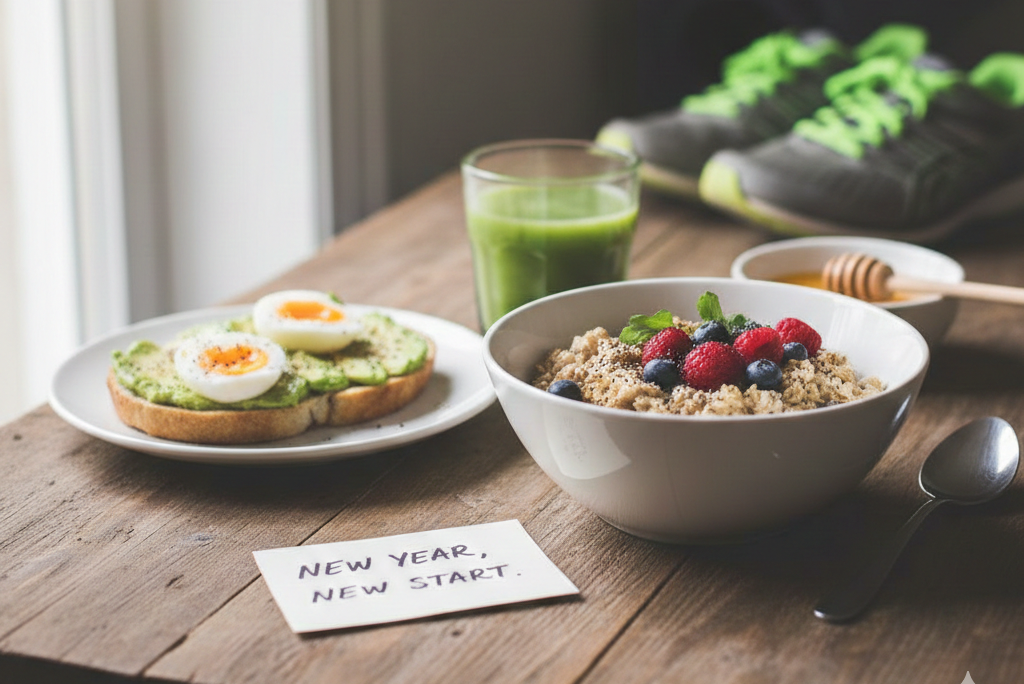
Getting Back on Track After the Holidays: A Simple Reset for Long-Term Wellness
The holidays are filled with connection, celebration, and tradition, but they can also throw our routines off balance. Between late nights, indulgent meals, packed schedules, and added stress, many people find themselves asking the same question once the season winds down:
“Is my health still on track?”
If you’re feeling a little sluggish, overwhelmed, or out of sync after the holidays, you’re not alone. The good news? Resetting doesn’t mean extreme changes or guilt-driven resolutions. At Healthonomics, we believe wellness is about sustainable habits, consistency, and long-term longevity, not quick fixes.
Looking for a simple way to get started? Download our clinician-designed 30-Day Sustainable Weight Loss Guide and bring it to your next visit.
Here’s a practical, compassionate guide to getting back into a healthy rhythm after the holidays – one step at a time.
Why the Holidays Can Disrupt Our Health (And Why That’s Normal)
The holiday season naturally shifts routines. Sleep schedules change. Stress levels rise. Meals look different. Movement takes a back seat.
None of this means you’ve failed your health goals. It simply means your body and mind are responding to a busy season.
The key is not “undoing” the holidays but realigning with habits that support your overall wellness.
1. Re-Establish Your Daily Routine (Start Small)
One of the fastest ways to feel grounded again is to rebuild structure.
Instead of trying to overhaul everything at once, focus on one or two anchor habits, such as:
- Waking up and going to bed at consistent times
- Eating meals at regular intervals
- Scheduling a daily walk or movement break
Routines signal safety and stability to your body, which supports energy, mood, and long-term health. Consistency matters more than intensity. Sustainable routines support healthier aging over time.
2. Support Your Body with Balanced Nutrition (Without Restriction)
After the holidays, many people feel tempted to “cut back” or detox. Instead, think in terms of adding nourishment, not removing joy.
Helpful resets can include:
- Drinking more water throughout the day
- Including fruits, vegetables, whole grains, and lean proteins
- Planning simple, balanced meals during the week
- Reduce sugar and processed foods from your diet
- Save money and cut back on takeout, including coffee with lots of sugar and calories.
Food is fuel and also a connection. A healthy approach leaves room for flexibility while prioritizing nourishment.
3. Manage Post-Holiday Stress with Intention
The holidays don’t end when the decorations come down. Financial pressure, work demands, and family responsibilities often linger.
To reduce stress:
- Schedule short breaks during your day
- Try deep breathing or mindfulness practices
- Spend time outdoors, even briefly
- Reconnect with activities that bring calm or joy
Stress management plays a powerful role in mental health, heart health, and long-term wellness.
4. Prioritize Sleep as a Wellness Foundation
Late nights and disrupted schedules are common during the holidays. Resetting your sleep routine can have an immediate positive impact on how you feel.
Consider:
- Creating a consistent bedtime routine
- Reducing screen time before bed
- Keeping your sleep environment dark and quiet
Quality sleep supports immune function, mood, metabolism, and overall longevity.
5. Think Long-Term: Wellness Is a Journey, Not a Season
Getting back on track is progress.
Instead of asking:
“How do I fix everything right now?”
Try asking:
“What habits support my health over the long run?”
This mindset shift supports sustainable wellness and helps prevent burnout from all-or-nothing thinking.
Common Questions About Health and the Holidays
The holidays are here. Is your health on track?
Health looks different for everyone. Feeling off after the holidays is normal. Small, consistent habits can help you regain balance.
How do you stay healthy during the holiday season?
Staying healthy often means prioritizing rest, hydration, movement, and stress management while allowing flexibility for enjoyment.
How do you have a stress-free holiday season?
While stress may not be avoidable, managing expectations, setting boundaries, and caring for your mental well-being can make a meaningful difference.
How do you stay sane during the holidays?
Routine, self-compassion, and taking breaks when needed can help you feel more grounded and present.
How do you navigate holiday health without guilt?
By focusing on long-term wellness rather than short-term perfection. Health is built over time.
Is post-holiday fatigue common during Chicagoland winters?
Yes. Shorter days, colder weather, and seasonal stress can affect energy levels and routines. Many people in Illinois experience this shift, making gentle wellness resets especially important.
Where can I focus on long-term wellness care in Chicago?
Many Chicagoland-based practices focus on preventive and whole-person care. Healthonomics emphasizes sustainable habits, longevity, and patient-centered support.
Your Partner in Long-Term Wellness
Rooted in Community
At Healthonomics, our approach to wellness is shaped by the people and communities we serve across southern Cook County. We understand the unique challenges of urban living, from high-stress work environments to seasonal weather changes, and how they can impact long-term health.
Our focus is on:
- Preventive, whole-person care
- Building sustainable routines
- Supporting long-term wellness and healthy aging
If you’re located in southern Cook County and looking for a wellness-focused approach to care, Healthonomics is here to partner with you today and for every season of your health journey.
Schedule a telemedicine appointment or visit us at one of our clinics.
Evergreen Park Location Hours:
Sunday: Closed
Monday & Tuesday: 8am – 4pm
Wednesday: 8am – 5:30pm
Thursday: 8am – 6pm
Friday: 8am – 2pm
Saturday: 8am – 2pm (every 2nd and 3rd Saturday in month)